
Article du mois Décembre 2025 – proposé par Nathalie BONNEFOY (Institut de Recherche en Cancérologie de Montpellier – IRCM, U1194)
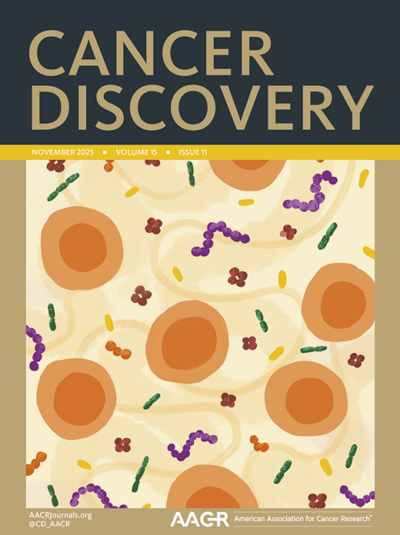
This article is the result of a multidisciplinary collaboration involving over 40 researchers, clinicians, and bioinformaticians, primarily based at the National Cancer Institute (NCI/NIH) and partner institutions such as the Memorial Sloan Kettering Cancer Center, the University of Michigan, and the Fred Hutchinson Cancer Research Center.
Why this article?
I selected this article because the interplay between cancer cell metabolism and the tumor microenvironment—particularly its immune components—represents a pivotal frontier in oncology. Deciphering how metabolic adaptations enable tumor cells to evade immune surveillance should enable the discovery of new diagnostic and therapeutic opportunities.
Context and Rationale
Problem: Metastasis is responsible for the majority of cancer-related deaths, particularly in gastrointestinal cancers like pancreatic cancer, where liver metastases are common and limit survival. Metastatic tumor cells must adapt to the liver’s oxygen-rich, immune-active environment, evading natural killer (NK) cells and T lymphocytes and acquiring metabolic flexibility.
Objective: Identify genes and mechanisms responsible for metabolically tumor cell adaptation in the liver (nutrient acquisition, redox balance), for evasion of tumor cells from immune surveillance (NK cells, T cells) and then target these pathways to block metastatic growth.
Key Findings
- GCN1, which plays a pivotal role in integrated stress responses, such as amino acid starvation and oxidative stress, is described here as a regulator of metabolic plasticity and immune evasion.
- GCN1 activates the integrated stress response (ISR) via ATF4, promoting:
- Glutathione synthesis to counteract oxidative stress.
- Amino acid transport to maintain cellular homeostasis.
- Suppression of NK cell-activating ligands (e.g., NKG2D) and upregulation of inhibitory molecules (MHC-I, PD-L1).
- GCN1 interacts with HNRNPK in the nucleus to stabilize transcripts of immunoregulatory genes (e.g., TNFα, IFNγ).
- IMPACT is an endogenous inhibitor of GCN1.
- IMPACT blocks the interaction between GCN1 and GCN2/HNRNPK, leading to:
- Reduced metabolic plasticity (decreased ATF4, GSH, and amino acid transport).
- Increased tumor immunogenicity (higher expression of NK cell ligands and MHC-I).
- In vivo effects:
- Overexpression of IMPACT abolishes metastasis formation (liver/lung) by activating NK and CD8+ T cells.
- Tumors expressing IMPACT respond better to immune checkpoint inhibitors (e.g., anti-PD1).
- Loss of IMPACT in human cancers.
- IMPACT is lost in metastases (pancreas, breast, colon) via:
- Genomic deletions.
- Epigenetic silencing (promoter methylation).
- Clinical correlations:
- Low IMPACT expression is associated with poor prognosis (reduced survival).
- GCN1-high/IMPACT-low tumors show reduced CD8+ T-cell infiltration and lower perforin activity.
- Role of HNRNPK in immune evasion.
- HNRNPK (stabilized by GCN1) regulates the degradation of mRNAs encoding immune genes (e.g., NK cell ligands and MHC-I).
- Its inhibition mimics GCN1 knockdown, increasing the expression of NK cell ligands and MHC-I.
Therapeutic implications and clinical relevance of this study
- Targeting GCN1 (or IMPACT mimetics) could metabolically destabilize tumor cells and convert « cold » tumors to « hot » (immunotherapy-responsive).
- Combination potential of GCN1 inhibitors and immunotherapy (anti-PD1, anti-NKG2A) for metastatic cancers.
- IMPACT loss is a biomarker of poor prognosis.
- GCN1-high/IMPACT-low tumors may benefit from combined metabolic/immune therapies.